AI VIDEO WORKFLOWS / ANALYSIS
Riverside Agents: test four handoffs from one recording
Riverside has connected Producer, Editor, Clipper and Marketer agents. A single interview can reveal whether their drafts save work while keeping the creator’s approvals meaningful.
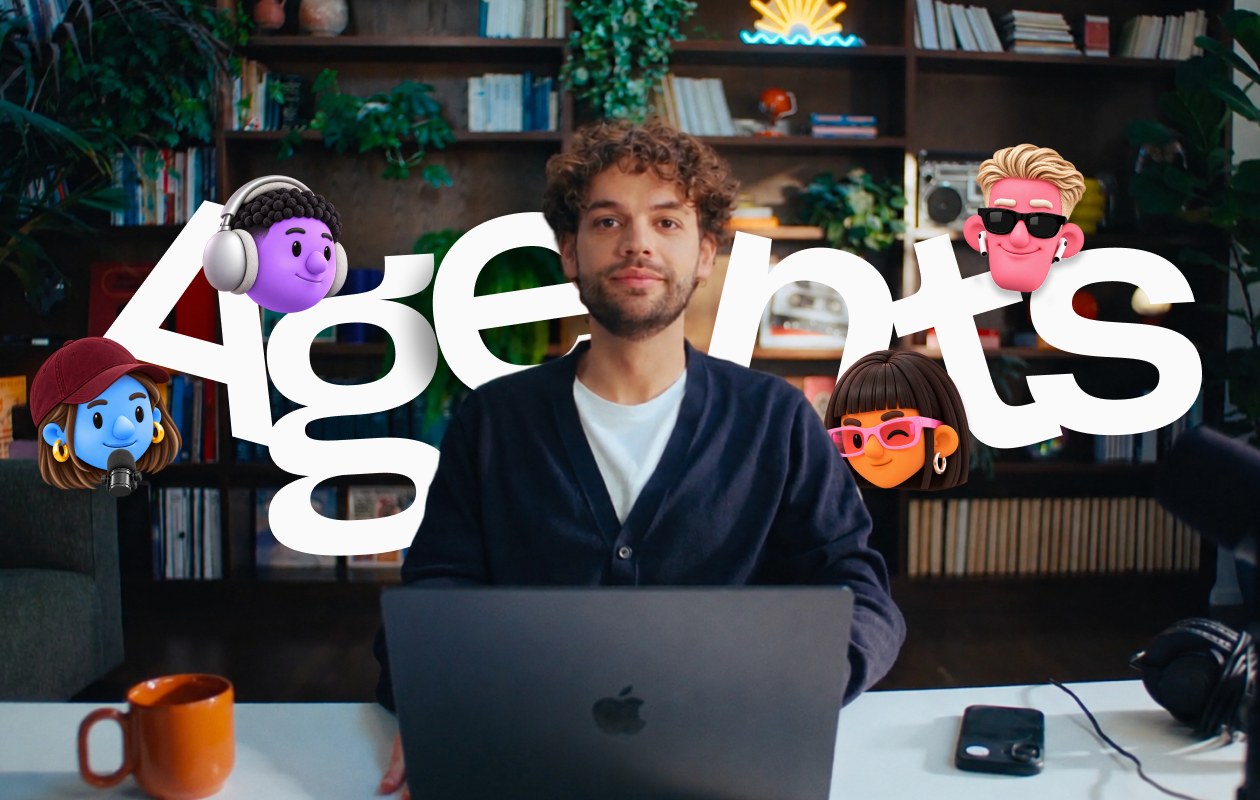
Riverside announced its Agents on 26 October 2026: a Producer, Editor, Clipper and Marketer connected to the same recording workflow. Riverside says the Producer prepares a session, the Editor proposes a full cut, the Clipper finds short moments, and the Marketer drafts captions and schedules posts. Its product lesson says agents can work after upload but do not apply changes or publish without approval. That makes the useful creator test less about watching four agents talk and more about whether their handoffs leave you with a better episode and trustworthy clips. WASSAI has not independently tested the system. [1] [2]
Use one bounded interview
Choose a 15-minute recorded conversation with permission from everyone appearing. Before recording, ask Producer for a short run of show: opening question, three essential topics and a closing question. Compare its plan with your actual purpose. If it misses a sensitive subject, an agreed brand phrase or the guest’s boundaries, fix the brief before the session. The agent can prepare prompts; it cannot know what the guest meant to keep off-camera unless you tell it.
After upload, request an Editor plan and two candidate short clips. Keep the uncut recording beside the suggestions. Review the proposed full episode for missing context, awkward cuts and speaker attribution. For each clip, play the minute before and after its source moment. A punchy sentence may become misleading if its qualification was trimmed away. Mark one approved cut and one rejected cut, with a reason for each. [2]
Make approval a real stage
Riverside describes handoffs between specialists and says the final decision remains with the creator. Use separate approvals for the edit, each clip, and the caption or scheduled post. Check subtitles, names, dates, claims, thumbnail and destination before the last approval. A caption written from a clip can inherit the clip’s mistake; a scheduling screen can carry the wrong account or date. Treat the preview as a proposal until every public-facing detail matches the recording and your brief. [1] [2]
The company says the agents are rolling out on web and iOS. Do not assume the same controls on another device or every plan. Confirm what your account can do, then note any paid task before accepting it. Keep a copy of the original recording and the final approved assets so a later correction can be traced to its source. [1] [2]
Count the work that remains
Time the entire cycle: preparation, review, fixes and final export. Count clips you would actually publish, not just clips produced. Then compare with the way you normally edit the same kind of interview. If the agents surface good moments but require extensive repairs to context or captions, the apparent speed gain may disappear. The test succeeds when you can approve more usable work with confidence, while keeping the voice and judgment that made the recording worth watching.
Sources
- Riverside: The first team of AI agents built for video · Published 2026-10-26; checked 28 October 2026.
- Riverside University: Introducing Riverside Agents · Published 2026-10-26; checked 28 October 2026.